top of page


Experimentos - Proyectos
Baking Soda & Vinegar Volcano
Volcán de vinagre y Bicarbonado de soda
Materials / Materiales
-
Baking soda → Bicarbonato de sodio
-
Vinegar → Vinagre
-
Small bottle or cup → Botella o vaso pequeño
-
Clay or play dough (to shape the volcano) → Arcilla o plastilina (para darle forma de volcán)
Instructions / Instrucciones
-
Put baking soda inside the bottle. → Coloca bicarbonato dentro de la botella.
-
Pour vinegar into the bottle. → Vierte vinagre en la botella.
-
Watch the “eruption”! → ¡Mira la “erupción”!
Vocabulary / Vocabulario
-
Acid → Ácido
-
Base → Base
-
Gas → Gas
-
Reaction → Reacción
Observation / Observación
Draw what you saw: → Dibuja lo que viste:
Reflection / Reflexión
-
What happened when vinegar touched baking soda? → ¿Qué pasó cuando el vinagre tocó el bicarbonato?
-
Where do we see bubbles like this in daily life?
→ ¿Dónde vemos burbujas como estas en la vida diaria? -
Send me your comments → Envíame tus comentarios.

Changing Flower Colors
Cambio de color en las flores
Materials / Materiales
-
White flowers (carnations or daisies work best) → Flores blancas (claveles o margaritas)
-
Clear cups or glasses →Vasos transparentes
-
Water → Agua
-
Food coloring (red, blue, or yellow) → Colorante vegetal
-
Spoon → Cuchara
-
Scissors (adult help) → Tijeras (con ayuda de un adulto)
Instructions / Instrucciones
-
Fill the cups with water. → Llena los vasos con agua.
-
Add several drops of food coloring to each cup. → Agrega varias gotas de colorante al agua.
-
Stir the water with a spoon. → Mezcla el agua con una cuchara.
-
Cut the bottom of the flower stem (adult help). → Corta la parte de abajo del tallo (con ayuda de un adulto).
-
Put the flower into the colored water. → Coloca la flor en el agua con color.
-
Wait and watch the flower change color over time. → Espera y observa como la flor cambia de color.
Vocabulary / Vocabulario
-
Flower → flor
-
Water → agua
-
Coloring → color
-
Stem → tallo
-
Absorb → absorber
-
Change → cambiar
-
Observe → observar
Observation / Observación
After a few hours or one day, the petals of the flower start to change color. The flower absorbs the colored water through the stem, and the color moves up into the petals. → Después de algunas horas o un día, los pétalos comienzan a cambiar de color. La flor absorbe el agua con color por el tallo y el color llega hasta los pétalos.
Reflection / Reflexión
-
What color did your flower turn? → ¿De qué color se volvió tu flor?
-
How long did it take to change? → ¿Cuánto tiempo tardó en cambiar?
-
What do you think would happen if you used two colors? → ¿Qué crees que pasaría si usas dos colores?
-
Send me your comments → Envíame tus comentarios.

The Science of Food Experiment:
Magic Milk
La Ciencia de los Alimentos: Leche Mágica
Materials / Materiales
-
Whole milk or 2% milk → Leche entera o leche al 2%
-
A small plate → Un plato pequeño
-
Liquid food coloring (several colors) → Colorante vegetal líquido de varios colores
-
Dish soap → Jabón líquido para lavar platos
-
Cotton swabs → Hisopos de algodón
-
A small bowl → Un recipiente pequeño
-
Paper towels → Toallas de papel
Instructions / Instrucciones
-
Pour the milk into the plate.→ Vierte la leche en el plato.
-
Add the food coloring.→ Agrega el colorante vegetal.
-
Dip the cotton swab into the milk.→ Introduce el hisopo de algodón en la leche.
-
Add a little dish soap.→ Agrega un poco de jabón líquido.
-
Touch the milk with the soapy cotton swab.→ Toca la leche con el hisopo con jabón.
-
Watch the colors move!→ ¡Observa cómo se mueven los colores!
-
Try different amounts of soap.→ Prueba diferentes cantidades de jabón.
Vocabulary / Vocabulario
-
Milk → leche
-
Food coloring → colorante vegetal
-
Dish soap → jabón líquido
-
Fat → grasa
-
Protein → proteína
-
Surface → superficie
-
Surface tension → tensión superficial
-
Swirl → remolino
-
Mix → mezclar
-
Move → mover
-
Observe → observar
-
Experiment → experimento
-
Molecule → molécula
-
Reaction → reacción
Observation / Observación
Before adding the soap, the food coloring stays mostly in separate drops on the surface of the milk. → Antes de agregar el jabón, el colorante permanece principalmente en gotas separadas sobre la superficie de la leche.
When the soapy cotton swab touches the milk, the colors begin to move quickly. They may spread, mix, and form colorful patterns. → Cuando el hisopo con jabón toca la leche, los colores comienzan a moverse rápidamente. Pueden extenderse, mezclarse y formar patrones coloridos.
The movement may continue for several seconds or longer. → El movimiento puede continuar durante varios segundos o más.
Reflection / Reflexión
Think like a scientist! / ¡Piensa como un científico!
-
What happened when you added the food coloring? → ¿Qué sucedió cuando agregaste el colorante?
-
What happened when the soap touched the milk? → ¿Qué sucedió cuando el jabón tocó la leche?
-
Which color moved the most? → ¿Qué color se movió más?
Important Science Idea / Idea científica importante
The colors are not magically moving by themselves. The movement is caused by interactions between the soap, the fat in the milk, and the surface of the liquid. → Los colores no se mueven por sí solos de manera mágica. El movimiento ocurre debido a las interacciones entre el jabón, la grasa de la leche y la superficie del líquido.

The Science of Food Experiment: Red Cabbage pH Indicator
La Ciencia de los Alimentos: Indicador de pH con Col Morada
Materials / Materiales
-
Red cabbage → Col morada
-
Hot water → Agua caliente
-
Clear cups → Vasos transparentes
-
Lemon juice → Jugo de limón
-
Vinegar → Vinagre
-
Baking soda + water → Bicarbonato de sodio + agua
-
Spoon → Cuchara
⚠️Safety / Seguridad: Ask an adult to help with the hot water. Do not drink the liquids. → Pide ayuda a un adulto con el agua caliente. No bebas los líquidos.
Instructions / Instrucciones
-
Cut some red cabbage into small pieces. → Corta la col morada en pedazos pequeños.
-
Put the cabbage in hot water for about 10 minutes. → Pon la col en agua caliente durante unos 10 minutos.
-
Remove the cabbage. The water should be purple. → Retira la col. El agua debe ser de color morado.
-
Pour the purple water into three clear cups. → Vierte el agua morada en tres vasos transparentes.
-
Add lemon juice to the first cup. → Agrega jugo de limón al primer vaso.
-
Add vinegar to the second cup. → Agrega vinagre al segundo vaso.
-
Add baking soda mixed with water to the third cup. → Agrega bicarbonato de sodio mezclado con agua al tercer vaso.
-
Watch the colors change! → ¡Observa cómo cambian los colores!
Vocabulary / Vocabulario
-
Red cabbage → col morada
-
Acid → ácido
-
Base → base
-
pH indicator → indicador de pH
-
Color → color
-
Change → cambiar
-
Observe → observar
-
Predict → predecir
-
Experiment → experimento
Observation / Observación
The purple liquid may change to pink or red with acidic liquids. → El líquido morado puede cambiar a rosado o rojo con líquidos ácidos.
It may change to blue or green with a basic liquid. → Puede cambiar a azul o verde con una sustancia básica.
The exact colors can vary. → Los colores exactos pueden variar.
What is Happening? / ¿Qué está pasando?
Red cabbage has a natural pigment called anthocyanin. → La col morada tiene un pigmento natural llamado antocianina.
This pigment changes color when it touches acidic or basic substances. → Este pigmento cambia de color cuando entra en contacto con sustancias ácidas o básicas.
Lemon juice → acidic → ácido
Vinegar → acidic → ácido
Baking soda → basic → básico
Water → usually close to neutral → generalmente cerca de neutro
The purple cabbage water is acting like a pH indicator. → El agua de col morada funciona como un indicador de pH.
Reflection / Reflexión
What color was the cabbage water at the beginning? → ¿De qué color era el agua de col al principio?
What happened when you added lemon juice? → ¿Qué pasó cuando agregaste jugo de limón?
What happened when you added baking soda? → ¿Qué pasó cuando agregaste bicarbonato de sodio?
Which substance was acidic? → ¿Qué sustancia era ácida?
Which substance was basic? → ¿Qué sustancia era básica?

The Science Experiment: Hidden Messages
El Experimento Científico: Mensajes Secretos
Materials / Materiales
-
Lemon juice → Jugo de limón
-
White paper → Papel blanco
-
Cotton swab → Hisopo de algodón
-
Small cup → Vasito
-
Lamp or warm light → Lámpara o luz cálida
⚠️ Safety / Seguridad: Ask an adult for help with the light or heat. Do not taste the lemon juice.
→ Pide ayuda a un adulto con la lámpara o el calor. No pruebes el jugo de limón.
Instructions / Instrucciones
-
Pour some lemon juice into a cup. → Pon un poco de jugo de limón en un vasito.
-
Dip the cotton swab into the lemon juice. → Mete el hisopo en el jugo de limón.
-
Write a secret message on the paper. → Escribe un mensaje secreto en el papel.
-
The message may look almost invisible when the paper is wet. → El mensaje puede parecer casi invisible cuando el papel está mojado.
-
Let the paper dry completely. → Deja que el papel se seque completamente.
-
Can you still see the message? → ¿Todavía puedes ver el mensaje?
-
Ask an adult to help warm the paper safely. → Pide a un adulto que te ayude a calentar el papel de manera segura.
-
As the paper warms, the hidden message should become easier to see. → Cuando el papel se calienta, el mensaje secreto debería hacerse más visible.
Vocabulary / Vocabulario
-
Hidden → oculto
-
Message → mensaje
-
Invisible → invisible
-
Lemon juice → jugo de limón
-
Paper → papel
-
Cotton swab → bastoncillo de algodón
-
Heat → calor
-
Warm → calentar
-
Dark → oscuro
-
Appear → aparecer
-
Observe → observar
-
Experiment → experimento
Observation / Observación
Before heating: → Antes de calentar:
The message is difficult to see. → El mensaje es difícil de ver.
After warming: → Después de calentar:
The letters become darker and easier to see. → Las letras se vuelven más oscuras y fáciles de ver.
Reflection / Reflexión
1. Could you see the message before heating the paper? → ¿Podías ver el mensaje antes de calentar el papel?
2. What happened when the paper became warm? → ¿Qué pasó cuando el papel se calentó?
3. Why do you think the letters became darker? → ¿Por qué crees que las letras se volvieron más oscuras?
4. What secret message did you write? → ¿Qué mensaje secreto escribiste?
Important science Idea / Idea scientifica importante
Lemon juice contains natural compounds that can change when they are heated. → El jugo de limón contiene sustancias naturales que pueden cambiar cuando se calientan.
When the paper is warmed, the areas with lemon juice can become darker than the rest of the paper. → Cuando el papel se calienta, las áreas que tienen jugo de limón pueden volverse más oscuras que el resto del papel.
This makes the hidden message appear! → ¡Esto hace que aparezca el mensaje secreto!

DIY Water Filter
Filtro de agua casero
Materials / Materiales
-
Plastic bottle (cut in half) → Botella de plástico (cortada a la mitad)
-
Dirty water (water with soil or sand) → Agua sucia (con tierra o arena)
-
Cotton balls or coffee filter → Algodón o filtro de café
-
Sand → Arena
-
Gravel or small rocks →Piedras pequeñas
-
Charcoal (optional) →Carbón (opcional)
-
Clear cup or jar →Vaso o frasco transparente
-
Scissors (adult help)→ Tijeras (con ayuda de un adulto)
Instructions / Instrucciones
-
Cut the plastic bottle in half (adult help).→ Corta la botella a la mitad (con ayuda de un adulto).
-
Turn the top part upside down like a funnel. → Coloca la parte superior al revés como un embudo.
-
Put cotton or a coffee filter at the bottom.→ Coloca algodón o un filtro de café en el fondo.
-
Add layers: gravel, sand, and charcoal (if using).→ Agrega capas: piedras, y arena.
-
Place the filter over a clear cup.→Coloca el filtro sobre un vaso transparente.
-
Slowly pour the dirty water into the filter. → Vierte lentamente el agua sucia en el filtro.
-
Watch the water drip into the cup.→ Observa como el agua cae al vaso.
⚠️ Important: This filtered water is not safe to drink. → Esta agua no es segura para beber.
Vocabulary / Vocabulario
-
Filter → filtrar
-
Water →agua
-
Clean → limpio
-
Dirty → sucio
-
Sand → arena
-
Rocks → piedras
-
Cotton → algodón
-
Observe → observar
Observation / Observación
The water that comes out looks clearer than before. The sand, rocks, and cotton trap the dirt and small particles. → El agua que sale se ve más clara que antes. La arena, las piedras y el algodón atrapan la suciedad y las partículas.
Reflection / Reflexión
-
Is the water cleaner than before? → ¿El agua está más limpia que antes?
-
Send me your comments → Envíame tus comentarios.

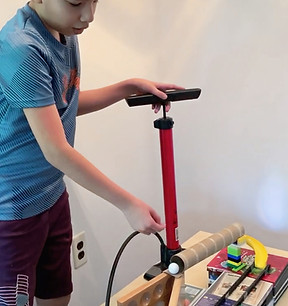
Building a Rube Goldberg Machine Construyendo una máquina de Rube Goldberg
Materials / Materiales
-
Dominoes → Dominós
-
Small ball → Pelota pequeña
-
Toy car → Carrito de juguete
-
Cups → Vasos
-
Cardboard → Cartón
-
String → Cuerda
-
Books → Libros
-
Tape → Cinta adhesiva
-
Spoon → Cuchara
Instructions / Instrucciones
-
Choose a simple final goal, such as ringing a bell or knocking over a cup. → Elige un objetivo final sencillo, como tocar una campana o derribar un vaso.
-
Place the dominoes in a line. → Coloca los dominós en una línea.
-
Add a ramp using cardboard and books. → Construye una rampa usando cartón y libros.
-
Put a small ball or toy car at the top of the ramp. → Coloca una pelota pequeña o un carrito en la parte superior de la rampa.
-
Connect the ramp to another action, such as knocking over a cup. → Conecta la rampa con otra acción, como derribar un vaso.
-
Test your machine. If something does not work, change it and try again! → Prueba tu máquina. Si algo no funciona, ¡cámbialo y vuelve a intentarlo!
-
Count how many steps your machine has. → Cuenta cuántos pasos tiene tu máquina.
Vocabulary / Vocabulario
-
Machine → Máquina
-
Domino → Dominó
-
Ramp → Rampa
-
Motion → Movimiento
-
Force → Fuerza
-
Energy → Energía
-
Push → Empujar
-
Pull → Jalar
-
Chain reaction → Reacción en cadena
Observation / Observación
Watch carefully as each part of the machine moves. → Observa cuidadosamente cómo se mueve cada parte de la máquina.
Reflection / Reflexión
What would you change to make your machine work better? → ¿Qué cambiarías para hacer que tu máquina funcione mejor?
Important Science Idea / Idea científica importante
A Rube Goldberg machine uses a series of simple actions to complete one simple task. Each step transfers energy and motion to the next step. → Una máquina de Rube Goldberg utiliza una serie de acciones sencillas para completar una tarea simple. Cada paso transfiere energía y movimiento al siguiente paso.
bottom of page